The Science Behind RLS Balance
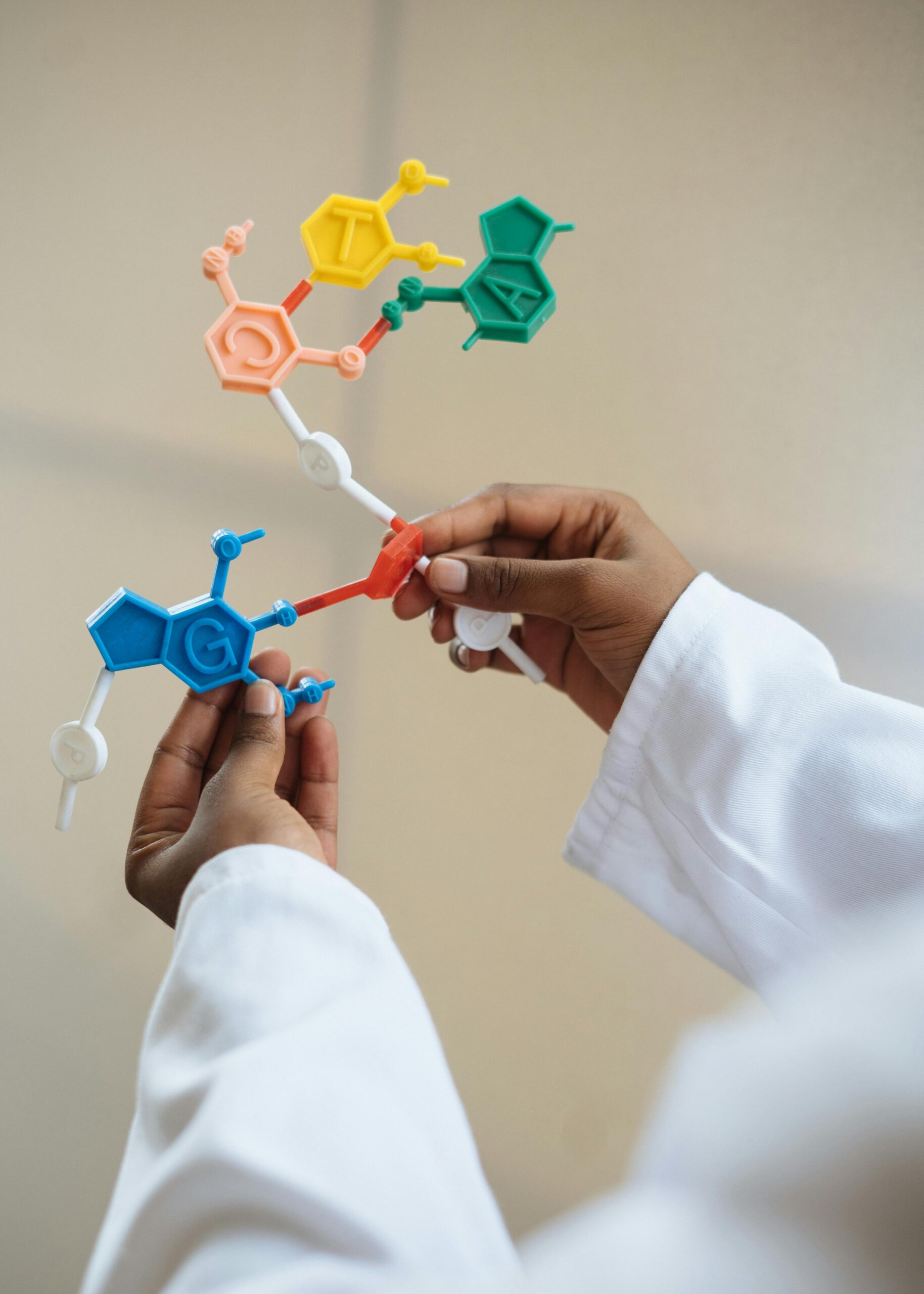
RLS is not simply a sleep disorder. It is a neurological condition influenced by iron misdistribution, dopaminergic pathway imbalance, sensory hyperexcitability, and circadian changes in brain metabolism.
Our formulations target these root pathways.

What is Restless Legs Syndrome?
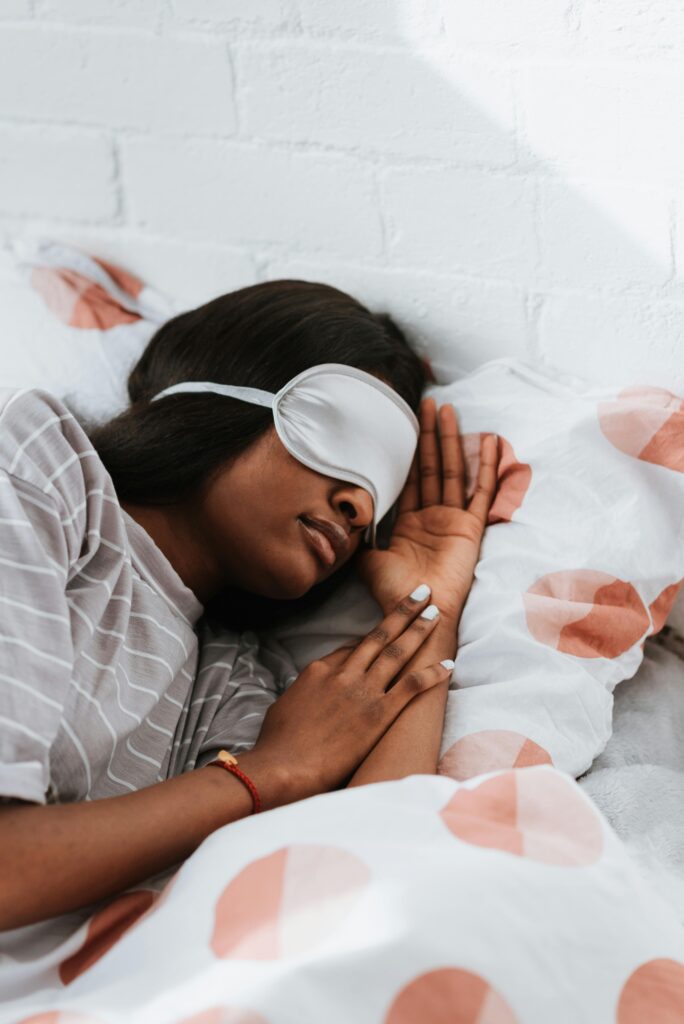
Restless Legs Syndrome (RLS), also known as Willis-Ekbom disease, is a neurological disorder characterised by an irresistible urge to move to stop uncomfortable or odd sensations. As it usually interferes with sleep, it is also considered a sleep disorder.
Although its name indicates that it affects the legs, RLS can affect the arms, torso, head, and other parts of the body. Moving the affected body part can temporarily suspend the sensations associated with RLS, thereby providing temporary relief.
Primary RLS
Primary (idiopathic) RLS has no known cause and usually begins slowly, before approximately 40–45 years of age. Often genetically linked, Primary RLS can come and go and get worse with age.
Secondary RLS
Secondary RLS often has a sudden onset and is usually associated with another medical condition (e.g. iron deficiency anaemia) or the use of certain drugs like SSRI’s and SNRI’s.
What we know about the Primary Causes of RLS
Iron Deficiency
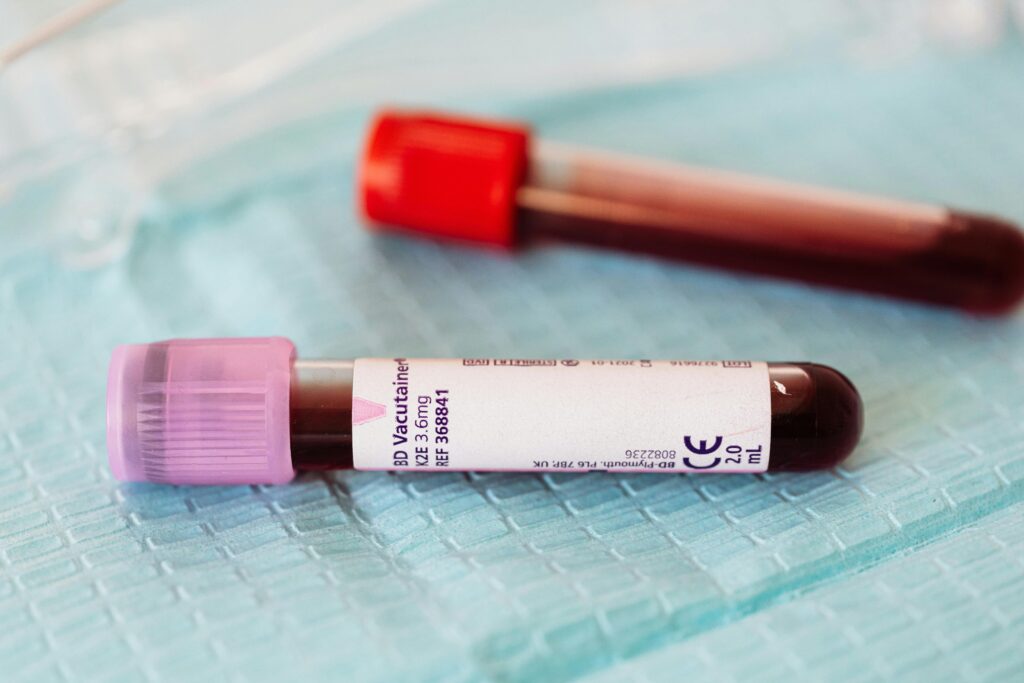
RLS is often linked to a dopamine imbalance caused by low iron availability in the brain.
Experts recommend maintaining a Ferritin level of greater than 100 μg/L for those suffering the symptoms of RLS.
Medications
Many medications, such as SSRI’s, SNRI’s and Antihistamines augment dopamine levels causing symptoms of RLS.

Lifestyle & Habits
Alcohol, Nicotine & Caffeine intake, coupled with digital dopamine addiction and poor sleep hygiene can all contribute to the prevalence of RLS symptoms
Why Iron Deficiency is NOT just low iron
There are a number of factors that affect overall RLS-related Iron level
Serum Ferritin Level
There is very high correlation between the onset of RLS symptoms and ferritin levels below 100ug/l
For anyone affected by this, raising ferritin levels may have positive benefits.
Fighting Hepcidin Activity
In the presence of Iron, the body produces Hepcidin which restricts Iron absorption.
Combating Hepcidin level is a key component of raising the underlying Iron level in the body.
The Restful Iron Lull
30-60 mins after falling asleep the brain begins closing iron channels resulting in lower availability.
A key issue amongst RLS sufferers, reducing the effects of the Restful Iron Lull can improve sleep quality.
The Root Cause Mechanisms of RLS
The key imbalances that trigger the symptoms of Restless Legs Syndrome are:
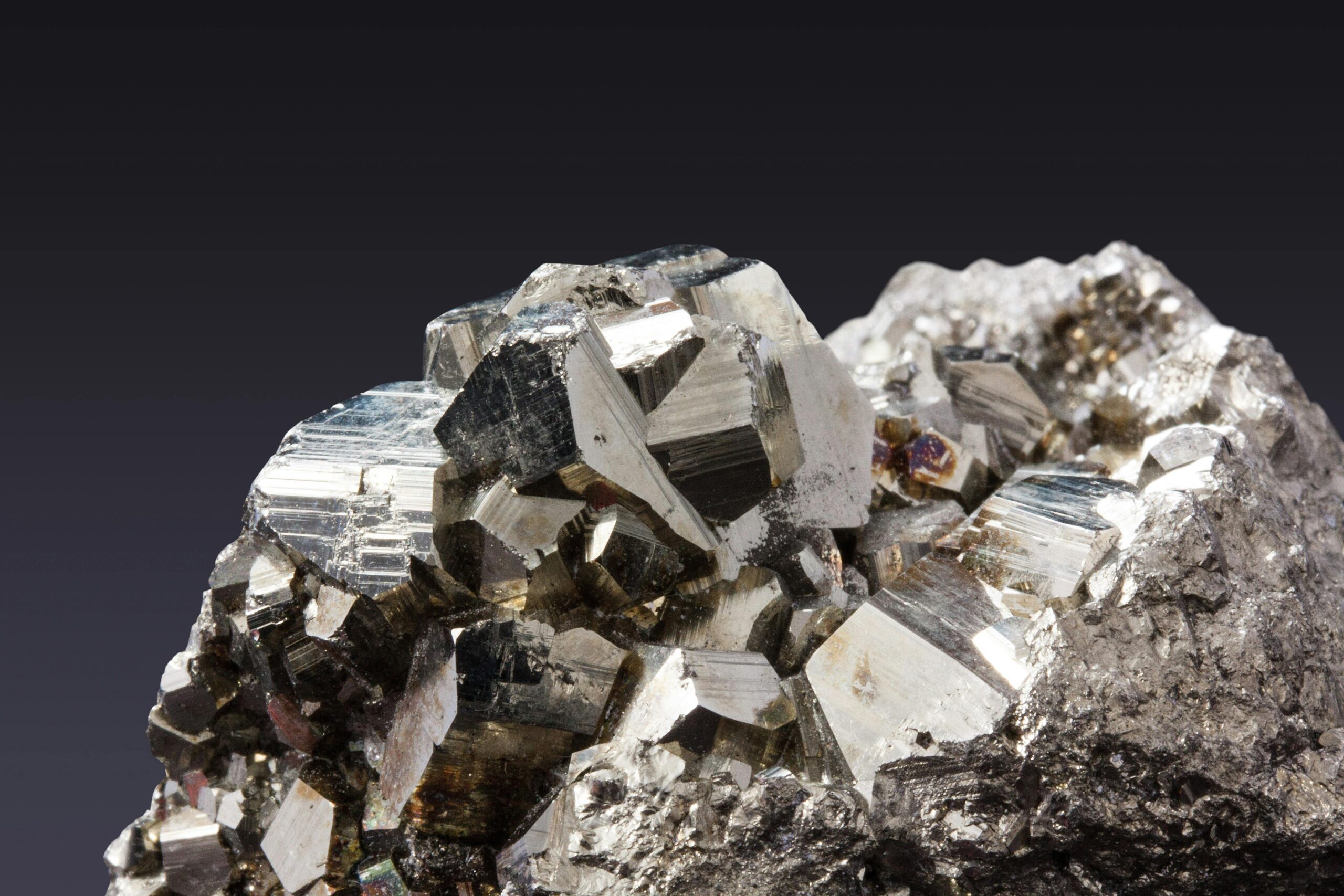
Iron Transport & Brain Availability
Problem: Low Iron
RLS is strongly associated with reduced iron in the substantia nigra despite normal blood levels. Supporting absorption + crossing the BBB is foundational.
RLS Balance includes Iron bisglycinate at a clinical dose to assist the body naturally recalibrate ferritin levels

Magnesium & Neuromuscular Stability
Problem: Low Magnesium
Magnesium threonate improves CNS delivery, supporting sensory gating and excitability reduction.
RLS Balance includes Magnesium Threonate and Magnesium Glycinate at a clinical doses
Potassium & Membrane Function
Problem: Low Potassium
Potassium citrate supports neuron firing stability and muscular calm.
RLS Balance includes Potassium Citrate at a clinical dose

Methylation Cycle (Folate, B6, B12)
Problem: Low Folate
Optimises dopamine synthesis and iron metabolism.
RLS Balance includes Folate, Vitamin B6 & B12

Mitochondrial Support
Problem: Low Mitochondrial activation
Addresses fatigue, nerve firing stability, and nocturnal symptom worsening.
RLS Balance: Advanced+ is an enhanced formulation featuring NAC & Co Enzyme CoQ10 to support mitochondrial activity
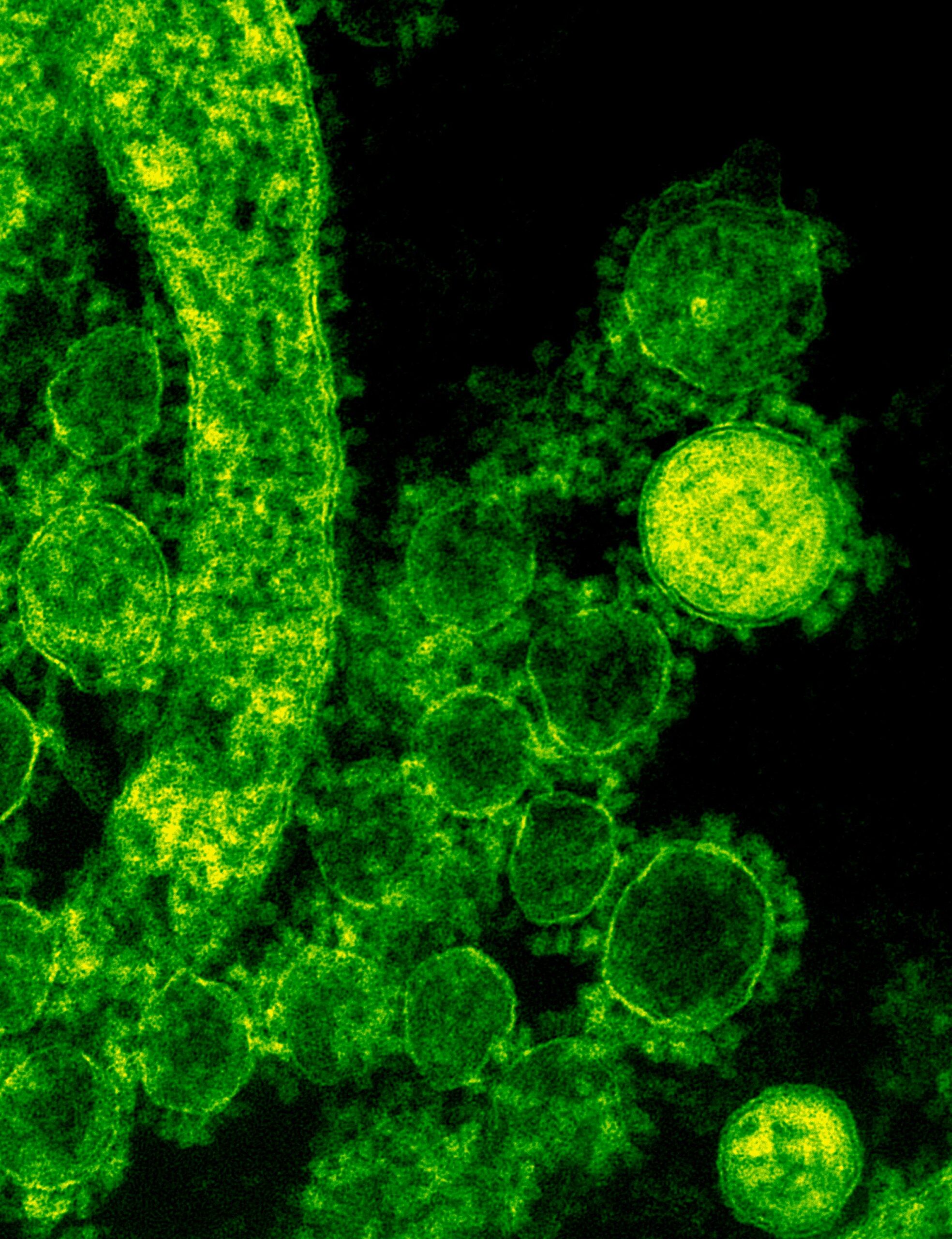
Gut-Brain Axis
Problem: Unhealthy Gut Balance
Dysbiosis is increasingly linked to sensory disorders including RLS.
RLS Balance: Restore & Advanced+ feature a bespoke pre-biotic, pro-biotic and gut health formulation featuring strains of bacteria designed to increase brain iron levels.
Key Clinical Ingredients
Our clinically effective formulations are backed by scientific evidence.

Required for normal dopamine synthesis & energy metabolism. This form is iron has high bioavailability, but is gentle on the gut.
Enhances iron absorption
Supports neurotransmitter synthesis
Supports normal neurological function
Neural recovery and cognitive support. Accelerates transmission across brain blood barrier.
Mitochondrial support for neural energy efficiency
Supports Red Blood Cell formation
Microbiome function increasing nutrient absorption & optimising gut–brain axis
Neuromuscular relaxation
Neuromuscular function
Antioxidant precursor that supports cellular environment
Mitochondrial energy supporting neuronal resilience
Polyphenol support and Antioxidant capacity
Choline donor for cognitive + neuronal membrane support

Citations
The science behind our ground-breaking formulation
| Topic | Key Evidence Summary | Primary Citations (Peer-Reviewed) |
|---|---|---|
| Iron & RLS Physiology | Low iron status (especially brain iron) is associated with increased risk and severity of RLS symptoms. | • Allen et al., Sleep Medicine (2018) — Brain iron deficiency model of RLS. • Earley et al., Journal of Neurology (2014) — CSF ferritin and RLS. • Connor et al., Sleep Medicine (2011) — Iron homeostasis in RLS. |
| Oral Iron Supplementation | Iron bisglycinate is a gentle, highly bioavailable form of supplemental iron with fewer GI side-effects. | • Tolkien et al., PLOS ONE (2015) — Review of iron salts vs chelates. • Bovell-Benjamin et al., Journal of Nutrition (2000) — Bisglycinate absorption efficacy. |
| Vitamin C & Iron Absorption | Vitamin C increases dietary and supplemental iron absorption by reducing ferric → ferrous iron. | • Hallberg et al., The American Journal of Clinical Nutrition (1989). |
| Folate & B12 | Folate and B12 support red blood cell formation and methylation pathways involved in neurological function. | • O’Leary et al., Blood Reviews (2012) — Folate/B12 physiology. |
| Magnesium & Sleep | Magnesium supports muscle relaxation, sleep quality, and neuromuscular function. | • Abbasi et al., Journal of Research in Medical Sciences (2012) — Magnesium and sleep quality. • Wienecke et al., Magnesium Research (2016) — Neuro-muscular effects. |
| Magnesium Threonate (L-Threonate) | Threonate improves magnesium’s ability to cross the BBB in animal models. | • Slutsky et al., Neuron (2010). |
| Potassium & Neuromuscular Stability | Potassium supports nerve transmission and muscle function. | • Palmer, Kidney International (2015). |
| Omega-3 Fatty Acids | DHA/EPA support anti-inflammatory pathways and neuronal membrane health. | • Calder, Nutrients (2012). |
| Creatine & Mitochondrial Function | Creatine supports mitochondrial energy metabolism in muscle and neural tissue. | • Persky & Brazeau, Journal of Pharmacy & Pharmacology (2001). • Tarnopolsky, Mitochondrion (2016). |
| Amla (Emblica officinalis) | Polyphenol-rich fruit with antioxidant and iron-modulating properties. | • Bhatta et al., Journal of Food Science (2013) — Polyphenol profile. • Choudhury et al., Food & Function (2018). |
| NAC (N-Acetylcysteine) | NAC is a precursor to glutathione and supports antioxidant defence. | • Rushworth & Megson, Journal of Pharmacology (2014). |
| Gut–Iron Axis (Restore) | Gut microbial balance influences iron absorption, inflammation, and mineral handling. | • Constante et al., Gut Microbes (2017). • Dostal et al., Journal of Nutrition (2014). |
| Prebiotics & Iron Absorption | Prebiotics can increase non-heme iron absorption. | • Tako et al., Nutrients (2014). |
| Sleep Hygiene & RLS | Sleep restriction and circadian disruption worsen neurological over-activation. | • Fulda & Wetter, Sleep Medicine Reviews (2009). |
| Caffeine & RLS-like Symptoms | Caffeine increases dopaminergic stimulation, sleep disruption, and limb-movement activity in sensitive individuals. | • Drake et al., Journal of Clinical Sleep Medicine (2013). |
These studies do not demonstrate that nutrients treat RLS. They explain the physiology behind nutrient absorption, iron metabolism, sleep, and neuromuscular health.